About Us
Lorem Ipsum is simply dummy text of the printing and typesetting industry. Lorem Ipsum has been the industry's standard dummy text ever since the 1500s, when an unknown printer took a galley of type and scrambled it to make a type specimen book.
Contact Us
- Plot Number 6114, Victoria Falls, Zimbabwe
7 Days Safaris In Tanzania - Tarangire, Sere And Ngoro
- Home
- Africa Safari Tours
- 7 Days Safaris In Tanzania - Tarangire, Sere And Ngoro
Travel With Our Professionals
Explore Tanzania’s Legendary Wildlife Safari Destinations
Join us on an unforgettable 7-Days Tanzania Safari Tour to explore Tarangire National Park, Serengeti National Park, Ngorongoro Crater, and Lake Manyara National Park. Witness the legendary Great Wildebeest Migration, massive elephant herds, stunning landscapes, and diverse African wildlife. This exciting 7-Days Tanzania Safari Package offers exceptional game drives, luxury safari experiences, birdwatching, photography opportunities, and authentic East African wilderness adventures.
Luxury Camp
Trained Guides
Travel Information
Pickup And Drop
Tanzania Safari
Journey Highlights:
- Day 1 : Welcome To Tanzania
- Day 2 : Arusha To Tarangire National Park
- Day 3 : Tarangire To Serengeti National Park
- Days 4-5 : Full Day Game Drive In Serengeti National Park
- Day 6 : Serengeti National Park – Ngorongoro Crater
- Day 7 : Lake Manyara National Park
7 Days Safaris In Tanzania - Tarangire, Sere And Ngoro
Tours Details
Day 1 : Welcome To Tanzania
Welcome to Nairobi
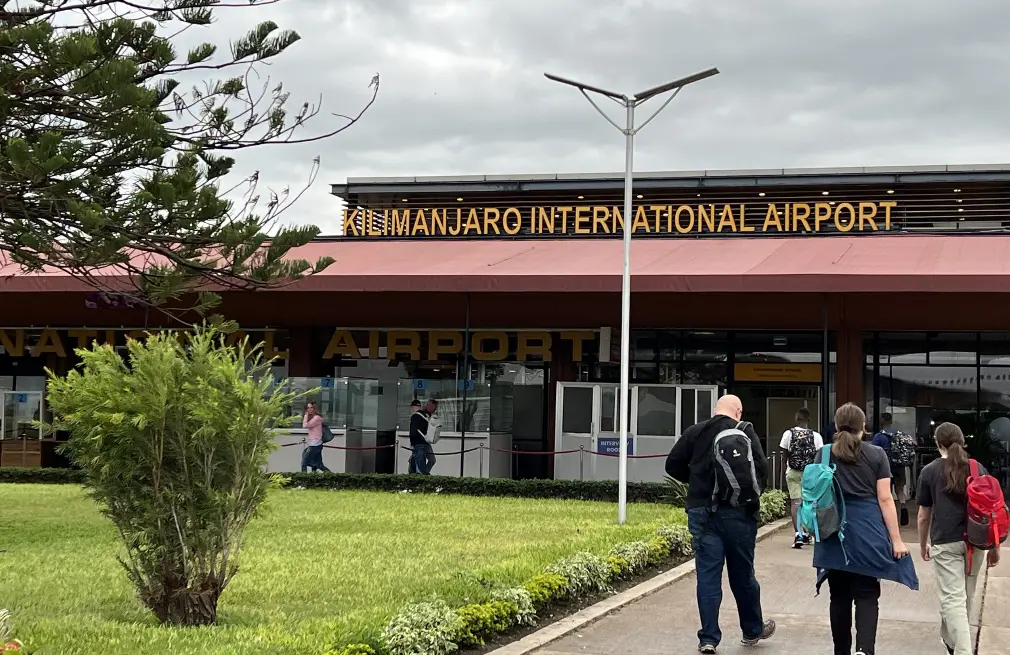
Whatever your arrival time at Kilimanjaro International Airport, your Africa Uncovered Safaris driver-guide will be waiting for you with a warm welcoming smile. Kick back and relax in your comfortable vehicle as he takes you to your hotel in Arusha (Tanzania’s self-styled Safari Capital). Depending on your time of arrival, you will get a brief impression of this large bustling commercial city on the way to your hotel. You may have your pre-safari briefing today; if not, it will take place early tomorrow morning.
- Arrival in Nairobi, Kenya
- Departure from Nairobi, Kenya
- Accommodation
- Meals Included
Day 2 : Arusha To Tarangire National Park
Welcome to Nairobi
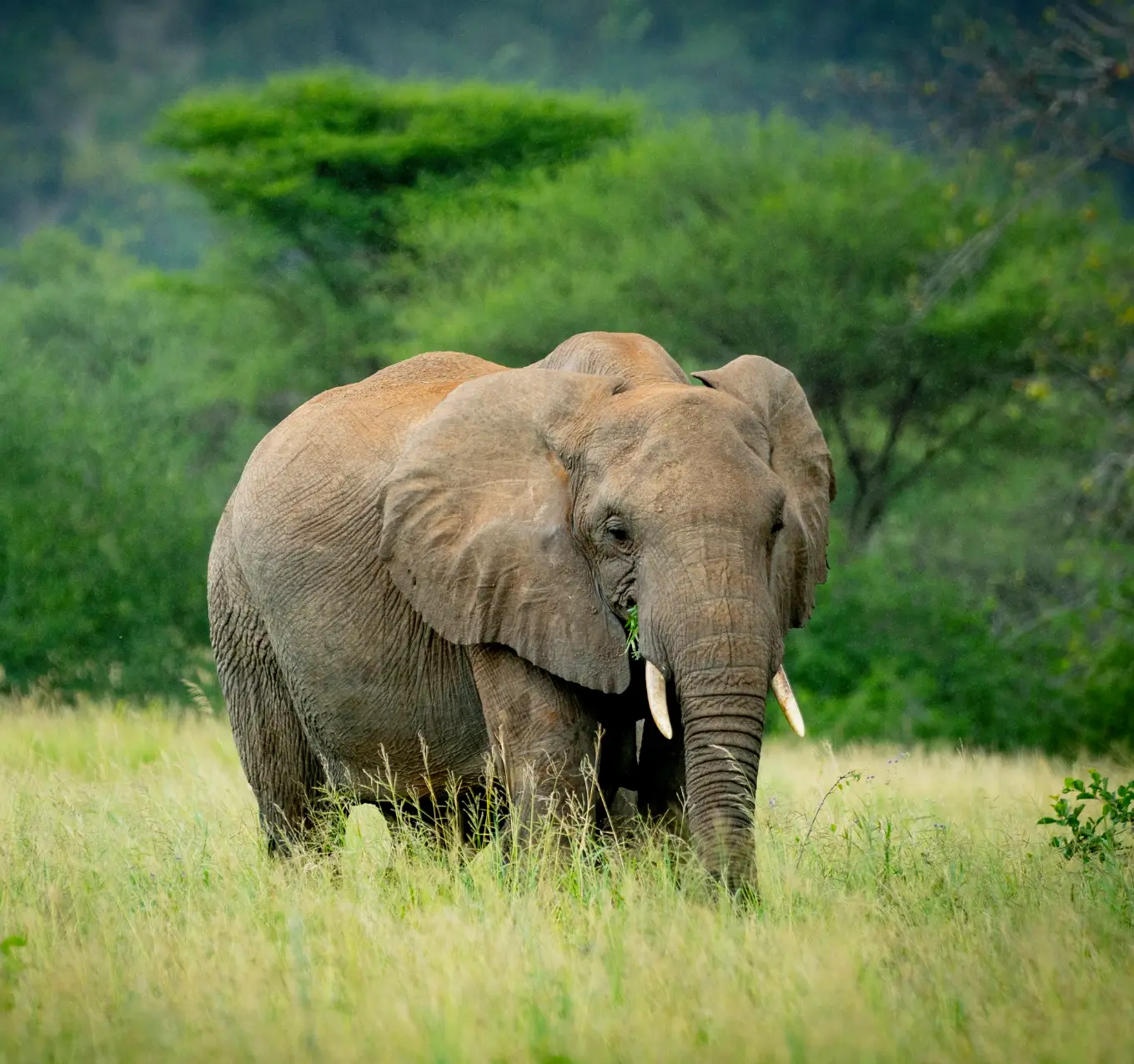
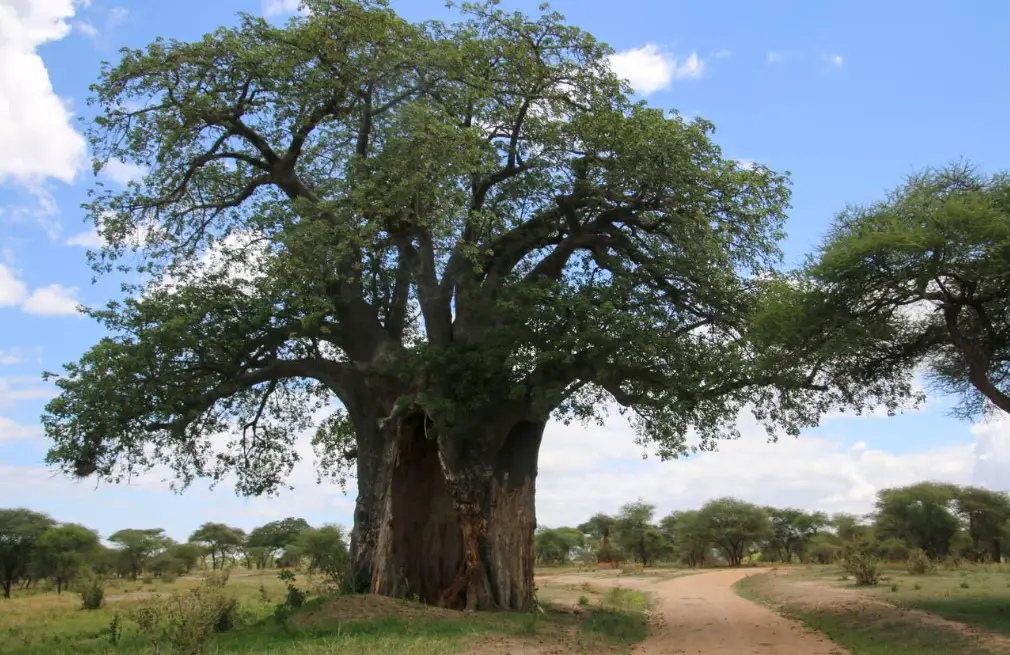
This morning, you will get picked up from your hotel and driven to the first stop on the safari -Tarangire National Park. Often considered Tanzania’s most underrated park, the Tarangire is one of Africa’s gems known for its huge Baobab trees and large herds of elephants. This park owes its name to Tarangire River which flows across the area and attracts high numbers of animals during the dry months. Its sparse vegetation scattered with Acacia trees and mixed woodland makes it a beautiful location. Up to 300 elephants can be found, looking for underground streams in the riverbeds. During the drier months, migratory wildebeest, zebra, and buffalo can also be seen crowding the shrinking lagoons.
Best time to visit: Tarangire is excellent all year-round for game viewing. However, during the dry season (August to October & December) the wildlife is at its most concentrated and wildlife viewing is best. Some safari operators skip this park during the wetter months (April to June) because the overgrown vegetation will make it more difficult to see some animals.Most common animals: elephants, giraffes, hippos, buffalos, zebras, wildebeests and lions.
- Arrival in Nairobi, Kenya
- Departure from Nairobi, Kenya
- Accommodation
- Meals Included
Day 3 : Tarangire To Serengeti National Park
Welcome to Nairobi
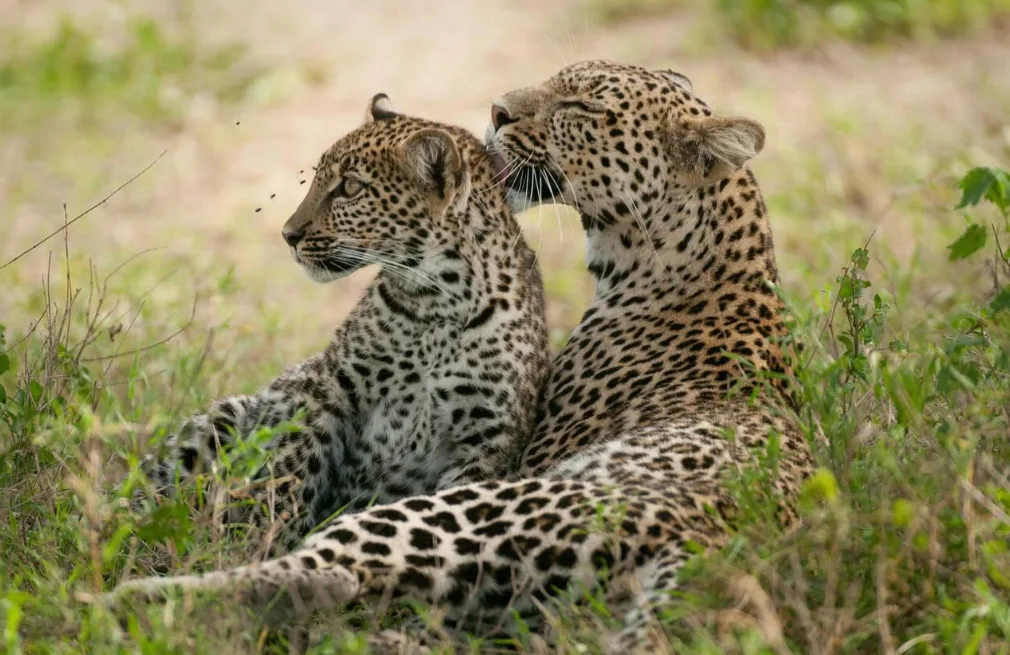
On this day, we will drive to one of the most famous game parks in Africa, the Serengeti- known to host one of the most incredible wildlife spectacles on earth (the great migration of wildebeests and zebras) The Serengeti’s vast plains and grasslands are also home to a haven of other wildlife including lions, cheetahs, leopards and many other predators. Stretching across 14,763 sq km, it is impossible to see it all in just one day.
As for the scenery? It is truly mind-blowing and is definitely the place to be if you want to feel like you are in the heart of the African bush. When the weather is hot and dry, the savannah is a dusty sunburnt red. Then after the rains have visited, the plains transform to lush green grassland dotted with pretty wildflowers and blooming Fig and Acacia trees.
Best time to visit: A Serengeti safari offers top wildlife viewing all year-round. However, if your goal is to witness the wildebeest migration, you need to time it right. The wildebeest migration takes one full year to complete before the cycle starts again. This means there is a good chance to witness it throughout the year. But certain highlights only occur in certain months`, for instance the dramatic river crossings occur between July and August in the far west.
The calving season starts from December to March. Between April and June, you’ll find huge herds migrating to the Grumeti region before making their way back to Kenya.
Most common animals: elephants, giraffes, hippos, buffalos, zebras, wildebeests, lions, cheetahs, hyenas and ostrich.
- Arrival in Nairobi, Kenya
- Departure from Nairobi, Kenya
- Accommodation
- Meals Included
Days 4-5 : Full Day Game Drive In Serengeti National Park
Welcome to Nairobi
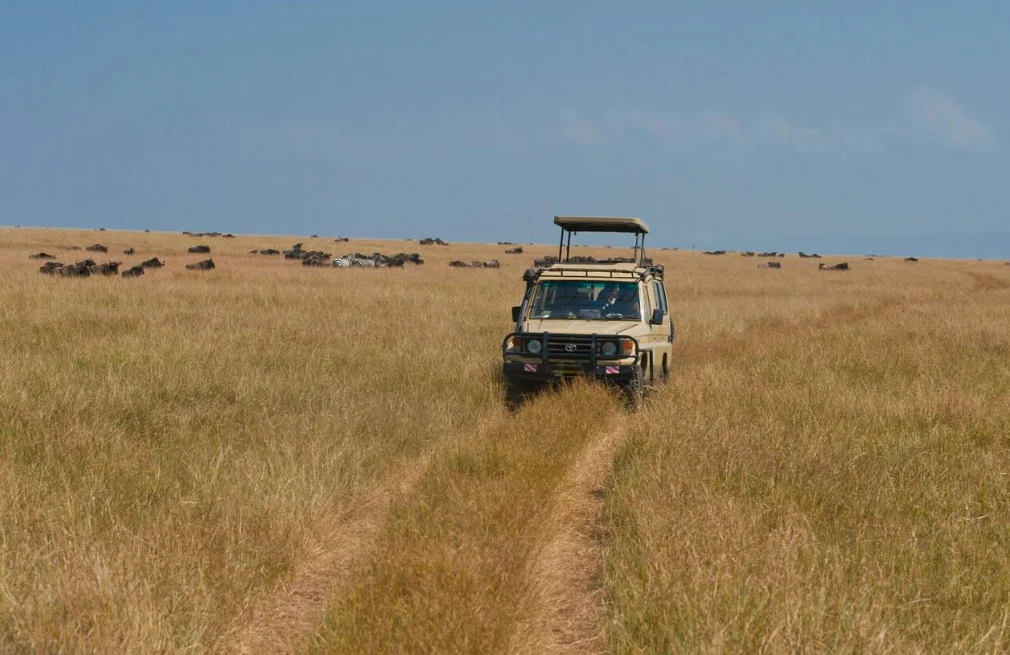
Full day excursion of discovery, a chance to enjoy the varied landscapes of the Central Serengeti. The Seronera River weaves its way through this area providing waters for all species of wildlife. You will also see the distinctive rocky outcrops, the famous kopjes which characterize the Serengeti landscape. Lunch will be an unforgettable experience enjoyed in the middle of the bush. Everything here varies with the seasons but in May, November and December migrating herds join the already rich population of resident animals which live here year-round. During the rainy season, the landscape turns black with hundreds of thousands of wildebeest – a simply incredible sight.
- Arrival in Nairobi, Kenya
- Departure from Nairobi, Kenya
- Accommodation
- Meals Included
Day 6 : Serengeti National Park – Ngorongoro Crater
Welcome to Nairobi
After breakfast we drive a 4-hour journey covering 250km to the Ngorongoro Conservation Area and visit the incomparable crater. We set off at 6am in-order to reach the rim and then descend into the vast crater lake itself. At one side there’s the Lerai Forest, classic mountain forest landscape with almost tropical characteristics. This is good elephant country so keep your eyes peeled. By the side of the nearby swampland is what is sometimes called the ‘elephant graveyard’ as the mighty male tuskers at the end of their lives come to chew on the soft swampland grasses once their teeth have failed them.
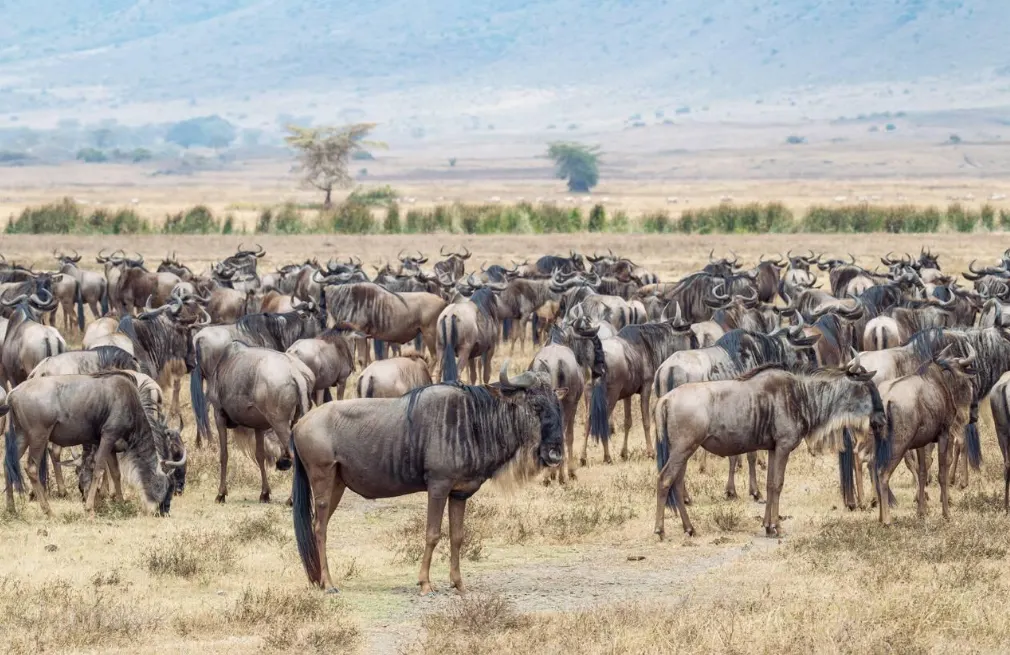
The crater has a population of around 120 lions, with well-defined territories; 15,000 wildebeests, 9,000 zebras, 400 hyenas and around 50 black rhinos. Many wildebeests and other herd animals are resident benefiting from the many sources of year-round waters.
- Arrival in Nairobi, Kenya
- Departure from Nairobi, Kenya
- Accommodation
- Meals Included
Day 7 : Lake Manyara National Park
Welcome to Nairobi
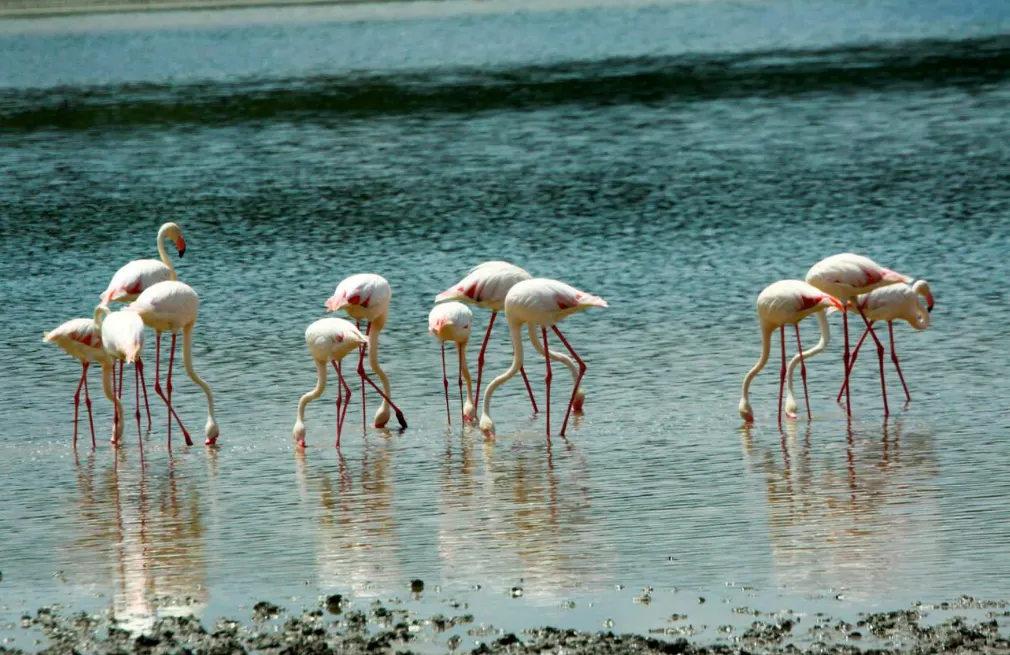
After breakfast, you will depart for Lake Manyara National Park. The park is known for its over 400 bird species, primate-filled forests, and grassy plains. A large area of the park is covered by the alkaline Lake Manyara, the seasonal breeding grounds for large colonies of flamingos and many more waterfowls. The park is also home to giraffes, hippos, wildebeests, impalas, and groups of noisy monkeys and baboons.
- Arrival in Nairobi, Kenya
- Departure from Nairobi, Kenya
- Accommodation
- Meals Included
Inclusions
- Pick up and drop off from the Kilimanjaro Airport/Arusha Airport
- 24/7 assistance and support during your trip
- Accommodation
- Extended 4 x 4 luxury safari jeep with pop up roof for game viewing
- Professional safari English speaking guide (different languages on request)
- All meals
- All park fees
- 18% VAT to our entrance fees
Exclusions
- Flights to and from Tanzania
- Any tips
- Optional tours (e.g., balloon ride $590)
- Personal Items
- Laundry services
- Visa
Africa Uncovered Safaris
Book Your Dream Safari Tours
Frequently Asked Questions About Related Tanzania Safari
Our Expert Answers
What is the best time to visit Tanzania for a safari?
The best safari season in Tanzania depends on your interests. June to October offers excellent wildlife viewing during the dry season, while January to March is ideal for calving season in the Serengeti. Africa Uncovered Safaris helps travellers choose the perfect season for unforgettable safari experiences.
How many days are recommended for a Tanzania safari?
A safari lasting 5 to 10 days is ideal for exploring Tanzania’s major parks comfortably. This allows enough time to visit destinations like Serengeti, Ngorongoro, and Tarangire while enjoying game drives, cultural activities, and relaxation without rushing through the adventure.
Do I need a visa to travel to Tanzania?
Most international travellers require a visa to enter Tanzania. Visitors can usually apply online or obtain a visa upon arrival, depending on nationality. Africa Uncovered Safaris advises guests to check current immigration requirements before travelling to ensure a smooth arrival experience.
What should I pack for a Tanzania safari?
Travellers should pack lightweight clothing in neutral colours, comfortable walking shoes, sunscreen, sunglasses, a camera, and insect repellent. Warm layers are also recommended for early morning game drives. Africa Uncovered Safaris provides detailed packing guidance before every safari departure.
Is Tanzania safe for international tourists?
Tanzania is considered one of Africa’s safest safari destinations for tourists. Visitors are encouraged to follow local advice, use reputable tour operators, and secure personal belongings. Africa Uncovered Safaris prioritises guest safety with experienced guides, reliable transport, and carefully planned itineraries.
What services does Africa Uncovered Safaris provide?
Africa Uncovered Safaris offers customised safari tours, airport transfers, hotel bookings, mountain trekking, cultural excursions, beach holidays, and professional guide services. The company focuses on creating personalised travel experiences that match every traveller’s budget, interests, and adventure expectations across Tanzania.
Can Africa Uncovered Safaris arrange private safaris?
Yes, Africa Uncovered Safaris specialises in private safari experiences tailored for couples, families, solo travellers, and groups. Guests can customise destinations, accommodations, transportation, and activities while enjoying flexibility, privacy, and personalised attention throughout the entire safari journey in Tanzania.
Do you offer luxury and budget safari packages?
Africa Uncovered Safaris provides both luxury and budget-friendly safari options. Travellers can choose premium lodges, tented camps, or affordable accommodations depending on preferences and travel budgets. Every package is carefully designed to deliver comfort, safety, and memorable wildlife experiences.
Are airport pickup and drop-off services included?
Airport transfers can be included in safari packages upon request. Africa Uncovered Safaris arranges reliable pickup and drop-off services from major airports in Tanzania, ensuring guests enjoy smooth transportation and stress-free arrivals before starting their safari adventure across the country.
Can special dietary requirements be accommodated during safaris?
Yes, Africa Uncovered Safaris works with lodges and camps that accommodate vegetarian, vegan, gluten-free, halal, and other dietary preferences. Guests are encouraged to share dietary requirements during booking to ensure meals are prepared comfortably throughout the safari experience.
Are your safari guides professionally trained?
All guides at Africa Uncovered Safaris are professionally trained, experienced, and knowledgeable about Tanzania’s wildlife, culture, and landscapes. They are skilled in wildlife tracking, customer service, and safari safety, ensuring guests enjoy educational, safe, and engaging experiences during every tour.
Do your guides speak English?
Yes, Africa Uncovered Safaris provides English-speaking guides for international travellers. Additional language guides may also be arranged upon request depending on availability. We aim to ensure smooth communication and informative safari experiences for guests from different countries worldwide.
How experienced are your safari guides?
Africa Uncovered Safaris works with highly experienced guides who have spent years leading safaris in Tanzania’s national parks. Their deep understanding of animal behaviour, local ecosystems, and cultural traditions helps travellers enjoy authentic and informative wildlife encounters throughout their journey.
Can guides help with wildlife photography?
Yes, safari guides assist guests in finding excellent wildlife viewing and photography opportunities. Africa Uncovered Safaris guides understand animal movements, lighting conditions, and the best viewing locations, helping photographers capture stunning safari memories during game drives and nature excursions.
Are guides available for cultural tours?
Africa Uncovered Safaris offers experienced guides for cultural visits to Maasai villages, local communities, and historical attractions. These guided experiences allow travellers to learn about Tanzanian traditions, lifestyles, food, and customs while supporting responsible and sustainable tourism initiatives across local communities.
Which national parks are included in Tanzania safaris?
Africa Uncovered Safaris offers tours to popular destinations including Serengeti National Park, Ngorongoro Crater, Tarangire National Park, Lake Manyara, and Arusha National Park. Travellers can also explore lesser-known locations for unique wildlife experiences and fewer tourist crowds during safaris.
What makes Serengeti National Park famous?
Serengeti National Park is famous for the Great Migration, where millions of wildebeests and zebras move across vast plains searching for fresh grazing land. Africa Uncovered Safaris organises guided safaris that provide excellent opportunities to witness this extraordinary wildlife spectacle.
Can I combine safari tours with Zanzibar holidays?
Yes, many travellers combine Tanzania safaris with relaxing beach holidays in Zanzibar. Africa Uncovered Safaris arranges customised itineraries that include wildlife adventures followed by beach relaxation, water activities, cultural tours, and luxury accommodation along Zanzibar’s beautiful coastline.
Is Ngorongoro Crater worth visiting?
Ngorongoro Crater is one of Tanzania’s most remarkable wildlife destinations because of its dense animal population and breathtaking scenery. Visitors can spot lions, elephants, rhinos, and flamingos within the crater. Africa Uncovered Safaris includes Ngorongoro in many popular safari packages.
Are cultural attractions included in safari itineraries?
Yes, Africa Uncovered Safaris offers cultural experiences alongside wildlife safaris. Travellers can visit Maasai communities, local markets, coffee farms, and traditional villages to experience Tanzania’s rich heritage, customs, and hospitality while supporting sustainable tourism and community development initiatives.
What transportation is used during safaris?
Africa Uncovered Safaris uses comfortable 4x4 safari vehicles designed for wildlife viewing and rough terrain. Vehicles feature pop-up roofs, spacious seating, and experienced drivers to ensure safe, comfortable, and enjoyable transportation throughout national parks and conservation areas across Tanzania.
Are domestic flights available for safari travellers?
Yes, domestic flights can be arranged between parks and major destinations in Tanzania. Africa Uncovered Safaris offers fly-in safari options for travellers seeking convenience, shorter travel times, and scenic aerial views while exploring remote wildlife destinations and luxury safari camps.
Are safari vehicles shared or private?
Travellers can choose between shared group safaris or private safari vehicles depending on their preferences and budget. Africa Uncovered Safaris provides flexible transportation options that allow guests to enjoy personalised experiences, comfort, and convenience throughout their Tanzania safari adventure.
Is airport transportation reliable in Tanzania?
Africa Uncovered Safaris arranges reliable airport transportation services with professional drivers and well-maintained vehicles. Guests are welcomed upon arrival and transferred safely to hotels, lodges, or safari departure points, ensuring a smooth and stress-free travel experience in Tanzania.
Do safari vehicles have charging facilities?
Many safari vehicles operated by Africa Uncovered Safaris include charging ports for phones, cameras, and other electronic devices. Travellers are encouraged to carry adapters and power banks to ensure devices remain charged during long game drives and remote safari journeys.
How can I book a safari with Africa Uncovered Safaris?
Travellers can book directly through Africa Uncovered Safaris by contacting the company via email, phone, or the official website. The booking process includes itinerary planning, confirmation, payment arrangements, and personalised assistance to ensure a smooth safari preparation experience.
Is a deposit required to confirm a booking?
Yes, Africa Uncovered Safaris requires a deposit to secure safari reservations and accommodations. The remaining balance is typically paid before arrival or according to agreed payment terms. Early booking is recommended, especially during Tanzania’s peak safari seasons.
What is your cancellation and refund policy?
Refund policies depend on cancellation timing and supplier conditions such as lodges and transportation providers. Africa Uncovered Safaris aims to provide fair refund arrangements whenever possible and encourages travellers to review cancellation terms carefully before confirming bookings.
Can safari dates be changed after booking?
Yes, Africa Uncovered Safaris may allow date changes depending on availability and advance notice. Travelers should contact the company as early as possible to discuss modifications, as some accommodations and park reservations may involve additional charges or restrictions.
What payment methods are accepted for bookings?
Africa Uncovered Safaris accepts various payment methods including bank transfers, online payments, and other approved options. Payment details are shared during the booking process, and secure transactions are prioritised to provide travellers with confidence and convenience when reserving safaris.
Explore Best Tanzania Packages
Select Your Dream Vacation
Reviews From Our Clients
Over 20k Customer’s Travelled
The experience of a lifetime!
Amazing 3 days in Chobe from Victoria Falls! Our guide Muza was absolutely amazing and took excellent care of us, picking us up from our hotel in VF taking, guiding us through the border of Botswana and on to Chobe. Muza was with us every step of the way from lodge check in, handling us off personally to game guides and escorting us for meals.



Let’s Plan
Customize it - Book it - Get Amazing Packages
Plan your dream African safari with our customised itineraries, exclusive travel packages, expert guidance, and unforgettable wildlife adventures tailored perfectly for you.
Choose your perfect African safari travel adventure
Compare exclusive safari packages with our travel experts
Personalise your itinerary and confirm bookings with ease Steps